Bulk lysozyme for lysis and sample-preparation formulas
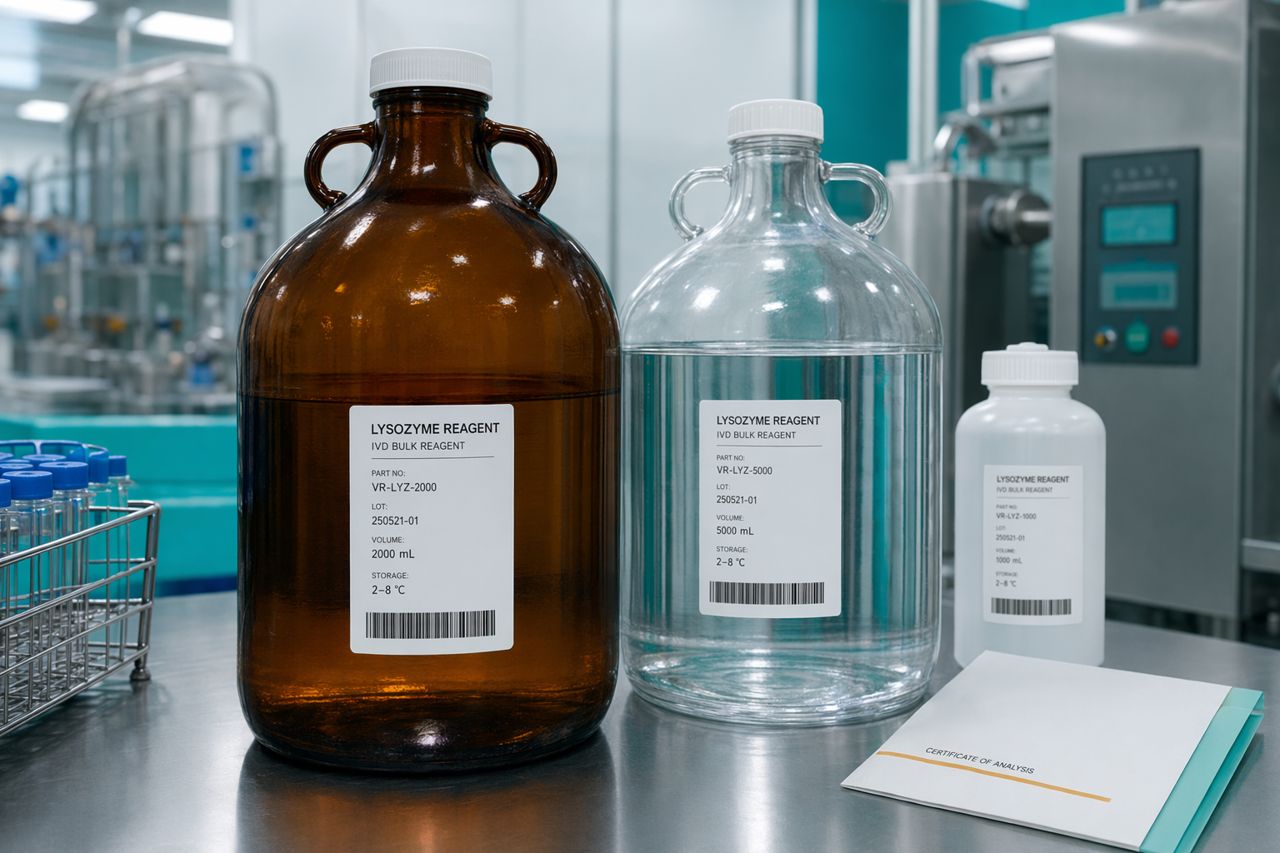
Enzymeslab supplies bulk lysozyme by quote to kit makers, lysis-buffer and reagent blenders, and distributors who resell to laboratories. The material we supply is bulk lysozyme labelled for food use; a kit maker qualifies it on its own extraction method, and we make that qualification quick with a spec sheet and a trial sample from the lot you would scale to.
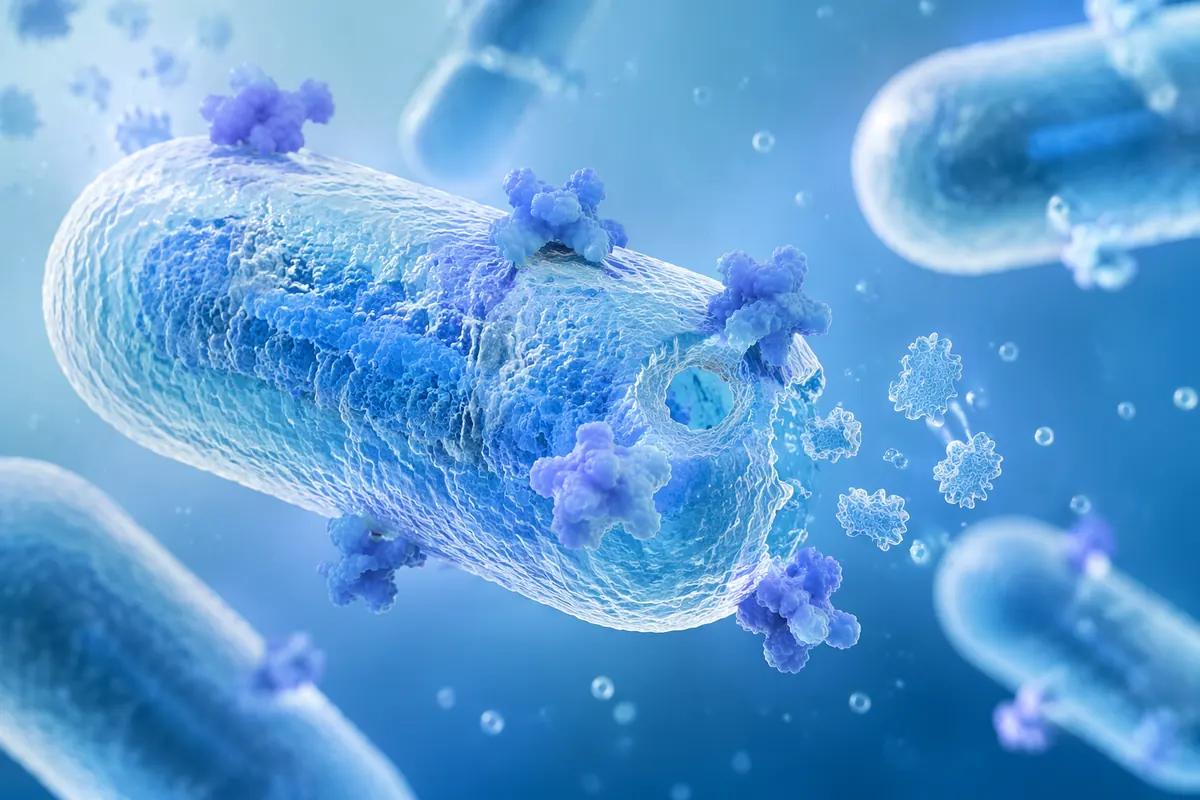
In a sample-preparation kit, lysozyme has one job: it opens the cell wall of bacteria, Gram-positive bacteria above all, so the lysis buffer and protease that follow can reach the nucleic acid. When that step under-performs, the customer sees low yield or a failed amplification, and the complaint lands on the kit, not on the enzyme.
Request a quote for bulk lysozyme
Where lysozyme sits in a lysis workflow
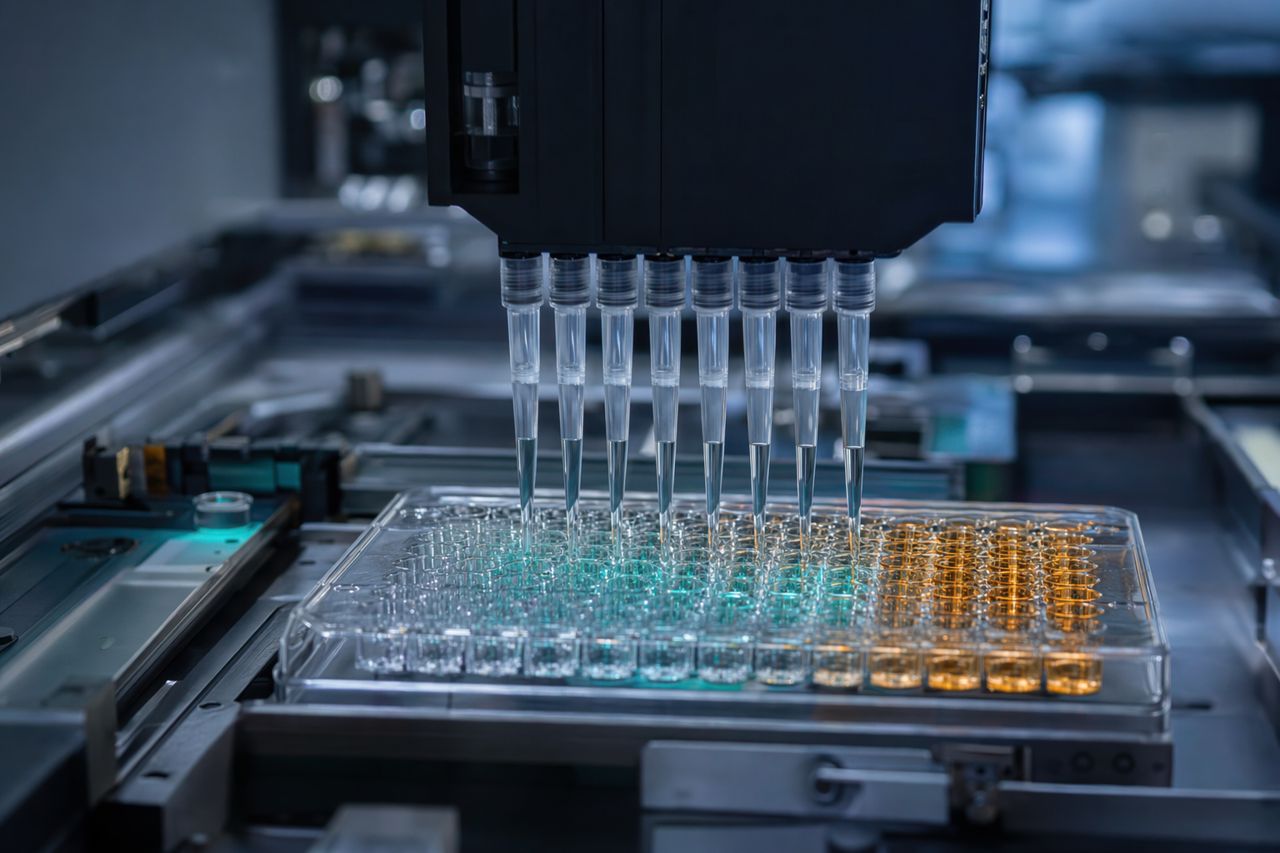
A bench extraction from bacterial colonies shows the order of steps a kit has to reproduce at scale. Overnight-grown cells are resuspended in lysozyme at 10 mg/mL and held at 40 °C for 30 minutes; proteinase K and a lysis buffer go in next, at 55 °C for 1.5 or 4 hours. The lysozyme dose in that protocol is written in milligrams per millilitre, not in activity units.
That is the first thing a kit maker has to settle with a supplier: your formula is written by mass, but a bulk offer is labelled by activity. A quick unit tip: U/mg x 1000 = U/g, so convert every offer to one unit before you compare them. Fix the activity per milligram on the spec sheet before you fix the dose in your instructions for use.
What lysozyme will not do, and why kits combine enzymes
A common failure looks like an enzyme problem and is not one: repeated extractions give little DNA and no 16S amplification, and the isolate that looked bacterial on the plate turns out to be a yeast-like fungus. A bacterial cell-wall enzyme has nothing to work on there. Teams that extract from mixed or environmental samples may need a broader lytic enzyme mix for exactly this reason.
For a kit maker this is a product decision:
- A bacterial-only kit can rely on lysozyme plus protease, and should say which organisms it covers.
- A kit sold for mixed or environmental samples needs more than lysozyme in the lysis step, and the label should not imply otherwise.
- A reseller's customer complaint of "no yield" is worth a question back about the sample type before anyone blames the lot.
What to ask a bulk lysozyme supplier
| Question | Why it matters for a lysis formula |
|---|---|
| Activity per milligram, and the assay behind it | Your protocol doses by mass; the conversion has to be on paper |
| Single enzyme or a compounded preparation | Some bulk preparations are standardised with a carrier or blended with other enzymes; the carrier ends up in your buffer |
| Source | Lysozyme sold for food use is commonly extracted from egg white; your supplier file may need an animal-origin statement |
| Form and solubility | A powder that dissolves cleanly at your working concentration saves a filtration step |
| Pack sizes and lot | The trial pack should come from the same lot as the bulk drum you would order |
| Storage and shelf life as stated for the lot | Write them into the purchase order and into your own stability plan |
Before you scale a lysozyme lot
- Convert the activity to one basis and re-calculate your mg/mL dose from it.
- Run your own extraction control on the trial sample, on the organisms your kit claims.
- Log the result against the lot number, and repeat the control on every new lot.
- Check that the lysis step is still right for every sample type on your label.
What we can send
Tell us your kit or buffer format, the working concentration you use, the trial quantity and the monthly volume. We reply by email with the spec sheet of a food-use bulk lysozyme lot, a trial sample from that lot for your own requalification, and a price for your quantity and destination. We do not hold lots made for assay work and will not describe a lot as one.
Distributors and resellers: tell us your market and typical order size, and we will quote on that basis.
Related reading on this site